I grew up in houses that did not exist before. My father built them, from stone he gathered on his own land, first in Scotland, then in Portugal. A home that smelled of lime mortar and was always a bit of a building site. That is where I learned the craft, long before it was a job: reading stones, finding the bed, mixing mortar, laying walls that last a hundred years without a single bag of cement.
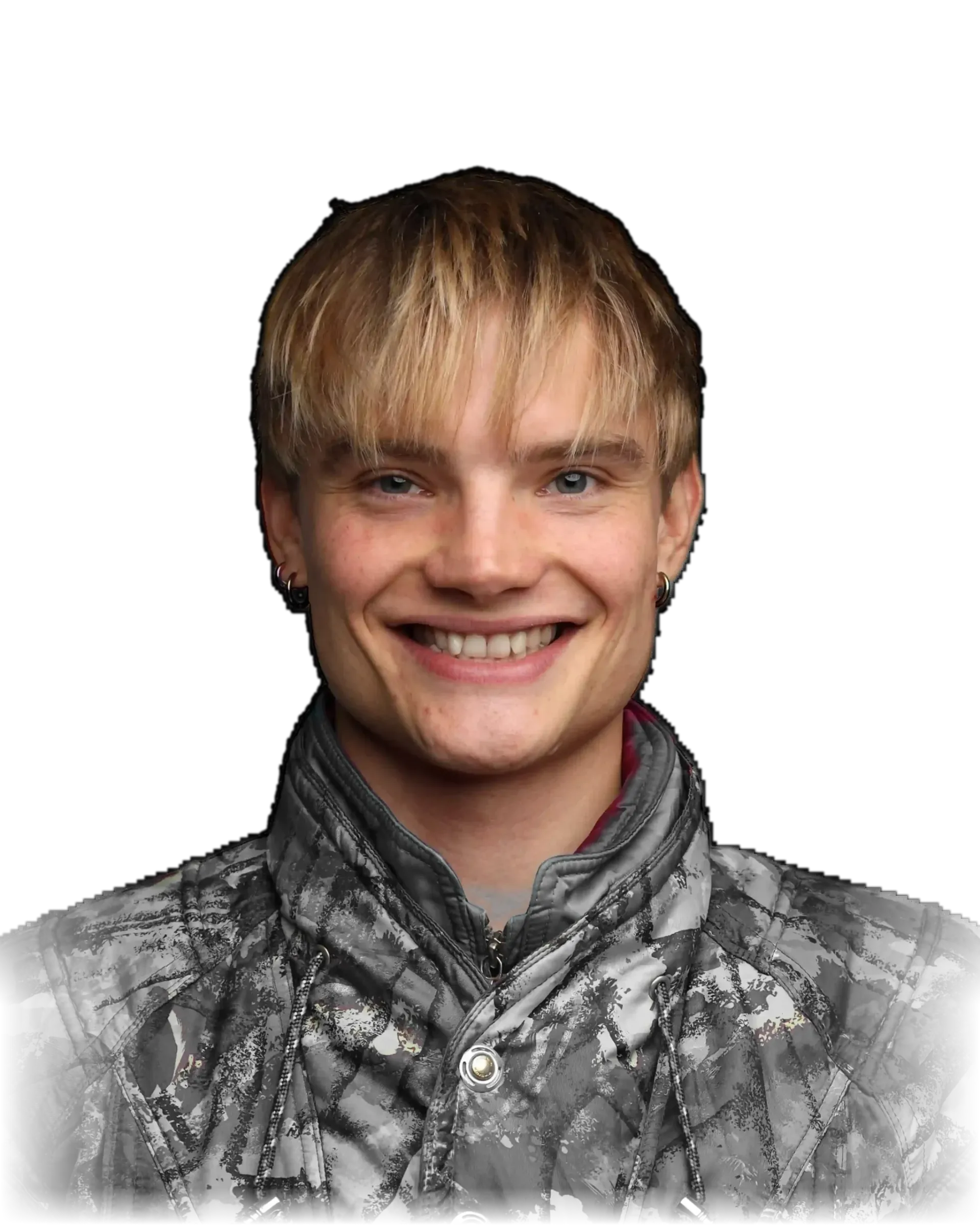
Stanley McKay
Stonemason by family tradition, climber by nature, founder of Mantodeus.
Growing up in stone houses
If you want to know how someone works, look at where they learned it. Here Stanley tells it himself.
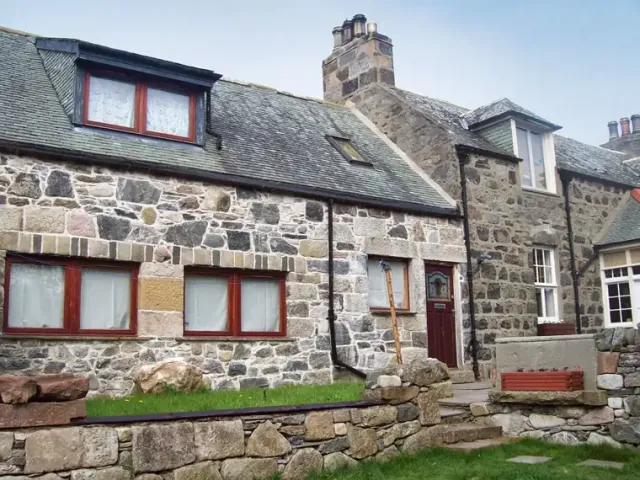
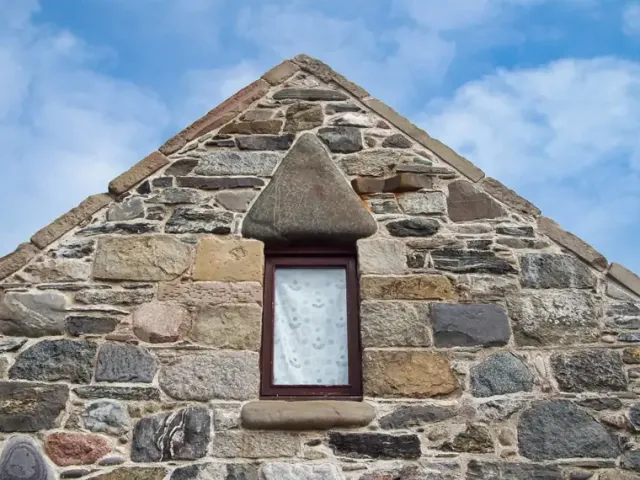
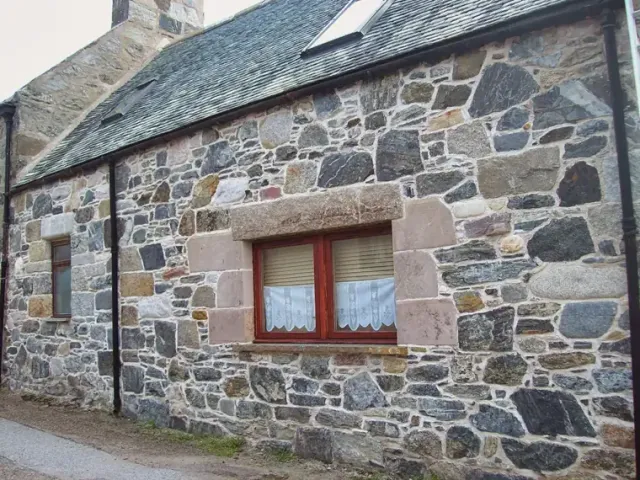
The first stone house. Portsoy, Scotland
I only spent the first six years of my life in this house, but my father's stonework impressed me even then. This house with its triangular lintel is still my benchmark today.
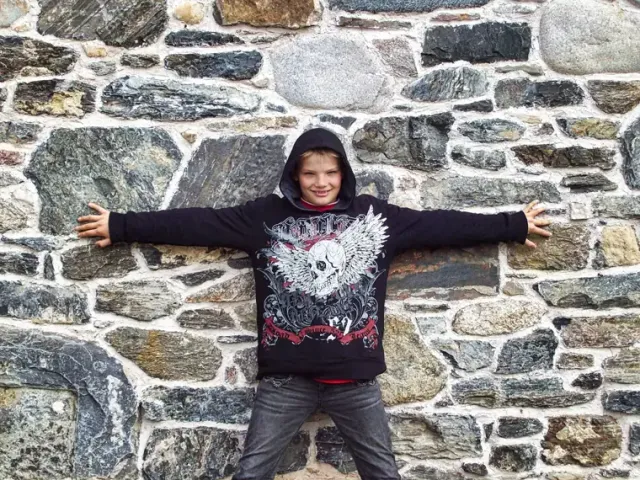
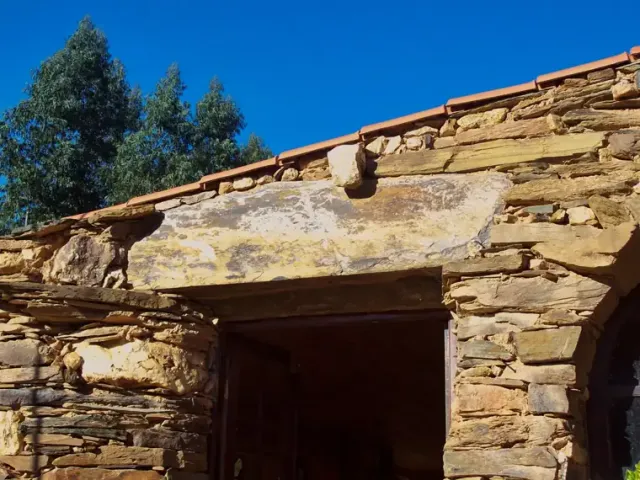
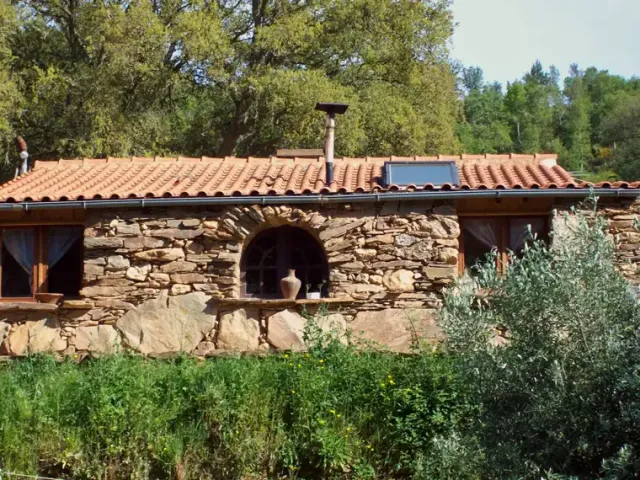
The second stone house. Alentejo, Portugal
When I was six, my family moved to Portugal and rebuilt a ruin in the middle of open countryside. My father built it, from stone and clay off the land, with his three small workers of course: my two siblings and me. Spend one childhood summer sorting stones and you develop a feel for which stone belongs where. You never unlearn that.
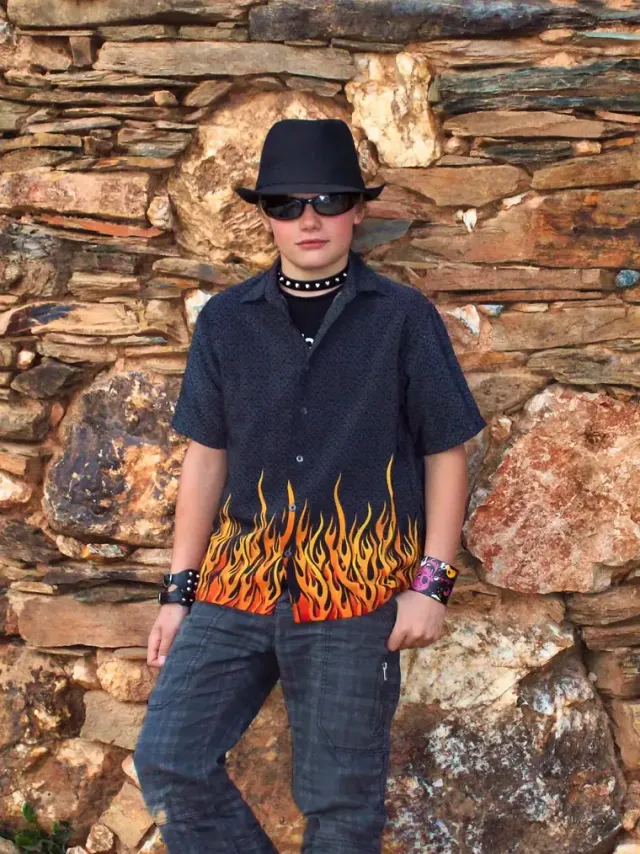
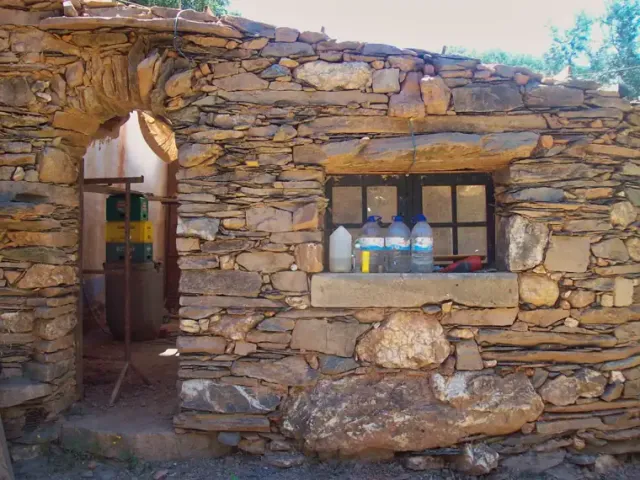
Steven McKay, my father and teacher
My father worked with natural stone for more than 30 years. He taught me to build walls. We built a lot together: dry stone walls, stone bridges and the stone and clay house we grew up in in Portugal.
From him comes the part of our work that cannot be rushed: check the substrate before you fix anything to it. Judge the material yourself instead of trusting the label. And think for an hour longer rather than build something that someone else has to open up again in five years.
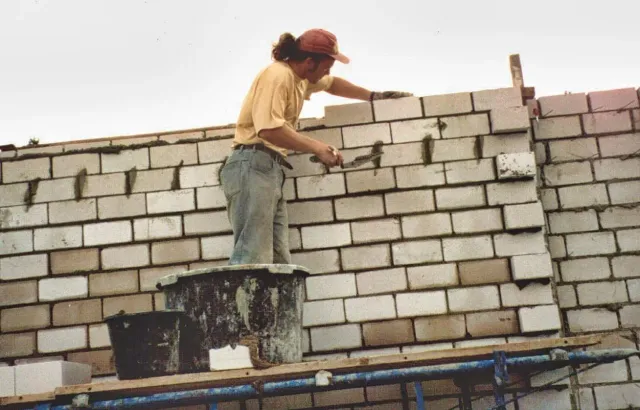
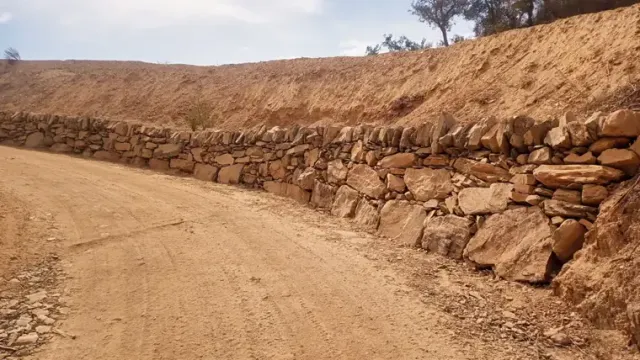
From stone to rope
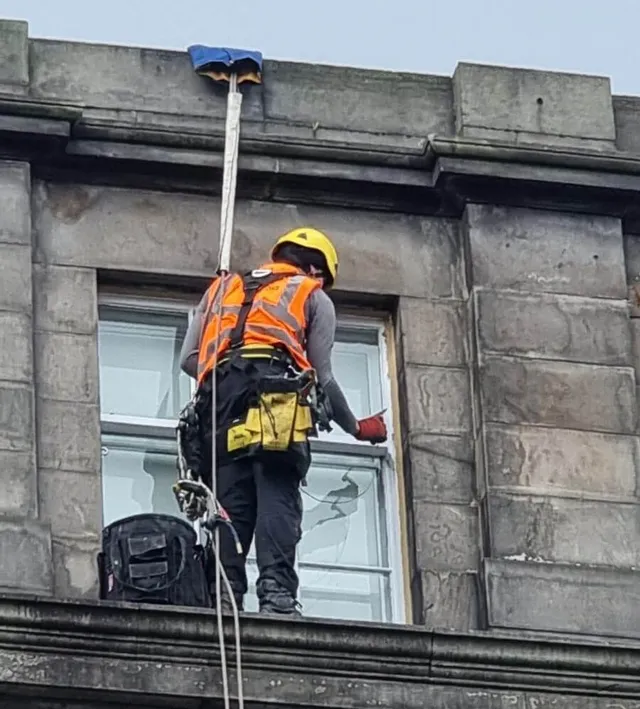
From stone to rope was only a short step. In Edinburgh and Glasgow I worked on listed facades where the two come together: restoration with lime mortar and patience, carried out on rope. On one hotel in Edinburgh it was 130 sash windows: linseed oil putty, a traditional glazing putty made from sand and linseed oil, and paint, by hand, on rope. Heritage protection forgives no compromises, and a rope forgives no carelessness. Together they make a good school.
In December 2022 I founded Mantodeus in Scotland; since late 2025 we have been working from Berlin. The name joins Mantodea, the praying mantis, with the Latin deus: an animal that moves at height with precision and control. As a child I wanted to be an entomologist; the praying mantis was my favourite animal.
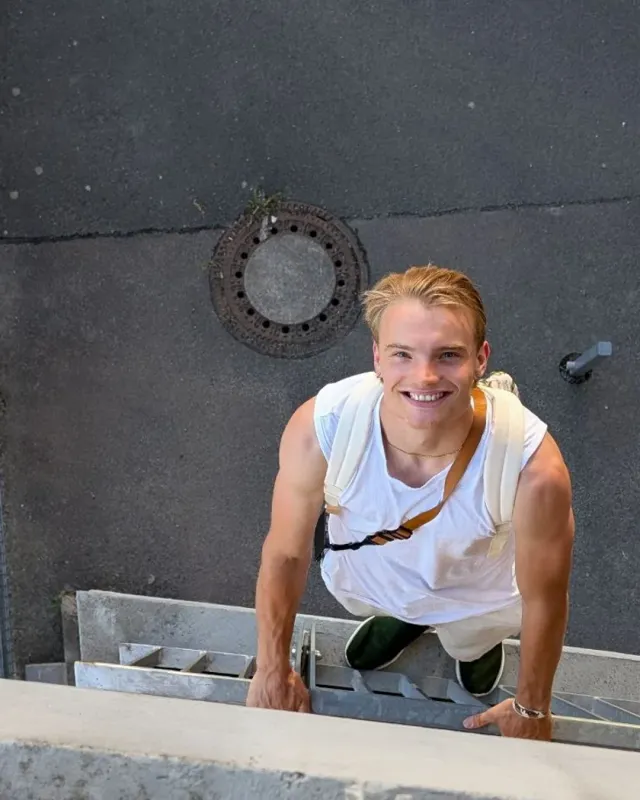
What we bring to our work in Berlin
- Substance before speed Anyone who learned to build a wall without cement does not anchor nets in the insulation either.
- Test the material, don't trust it At the quarry, the eye decides which block is good. With stainless steel, a magnet and spot test at goods-in decide.
- Handwork where it counts Anyone who has restored listed facades on rope knows that care and height are not mutually exclusive.
Get to know us
The simplest way is a site visit. You show us the problem, we tell you what is needed and what is not.
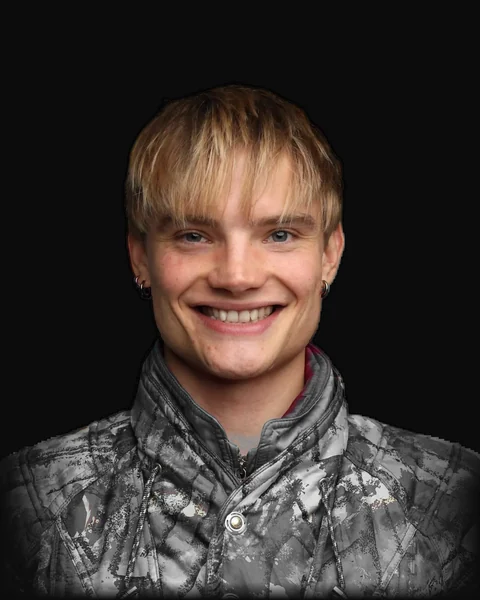 Stanley McKayFounder, your contact